December 27, 2025
As technology evolves, home theater systems have transformed from simple TV-and-speaker setups into fully immersive entertainment hubs. Today’s systems are designed to provide cinema-quality experiences right in your own living room. With countless options available, choosing the right setup can feel overwhelming. The key is understanding which features enhance both audio and visual experiences, offer convenience, and deliver long-term value.
According to Statista, approximately 40% of U.S. households have home theater systems or dedicated home theater rooms, highlighting the growing popularity of high-quality in-home entertainment. Whether you’re a casual movie watcher, a dedicated gamer, or an audiophile, the right system can completely change the way you enjoy content. Beyond simple sound and picture quality, modern systems incorporate smart technologies, flexible media support, and intuitive control features that make setup and daily use easier than ever.
Audio Quality That Engages Every Sense
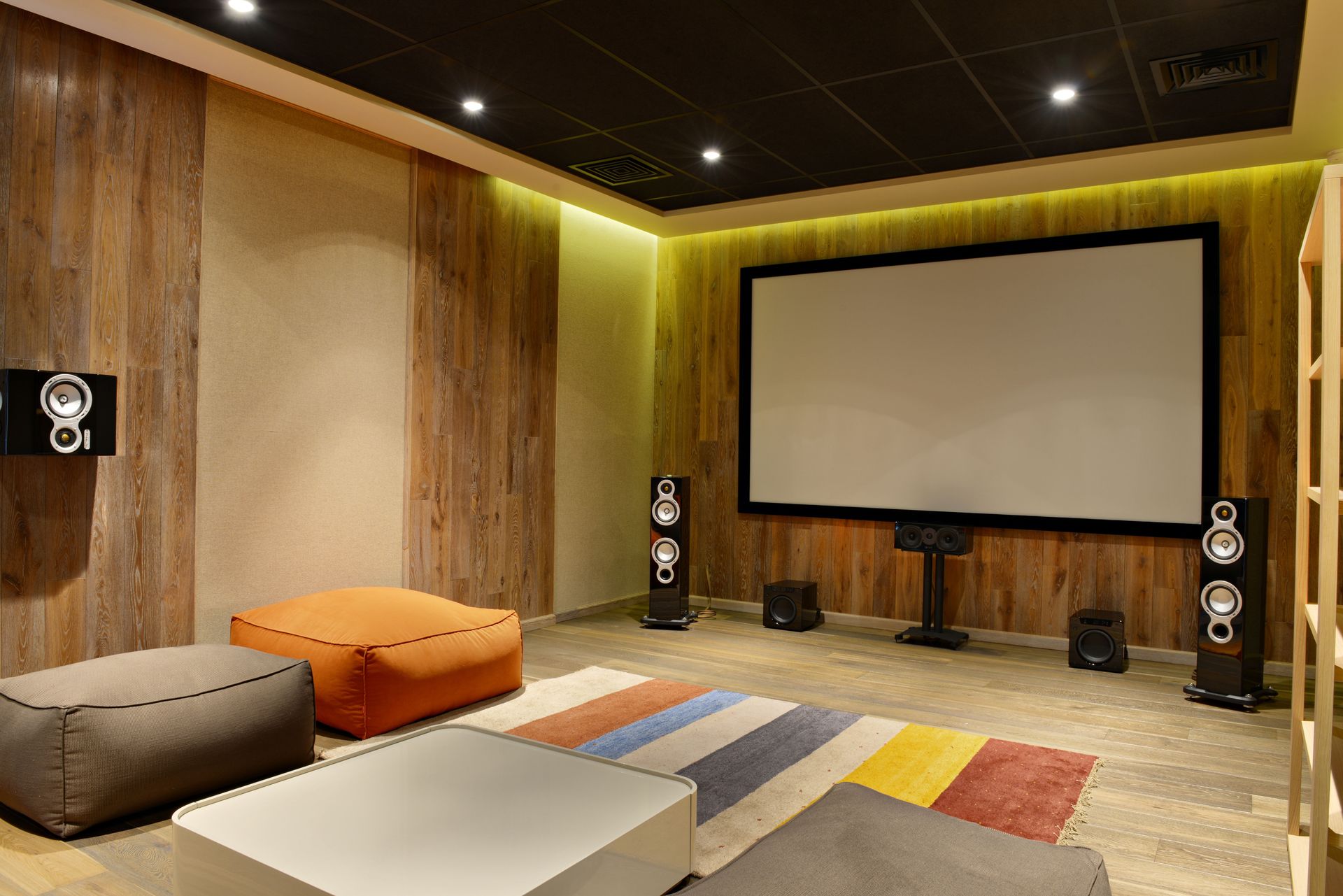
When it comes to a home theater system, audio is often more important than visuals. A high-quality sound setup ensures that every sound effect, musical cue, and dialogue line feels immersive and realistic. Surround sound systems are the foundation of this experience, whether it’s a standard 5.1 setup for a cozy living room or a more elaborate 7.1 configuration for larger spaces.
Advanced technologies like Dolby Atmos and DTS:X elevate sound to a new level, creating three-dimensional audio environments. This means you can hear a helicopter passing overhead or a rainstorm moving around the room. These technologies make every viewing experience more engaging and memorable.
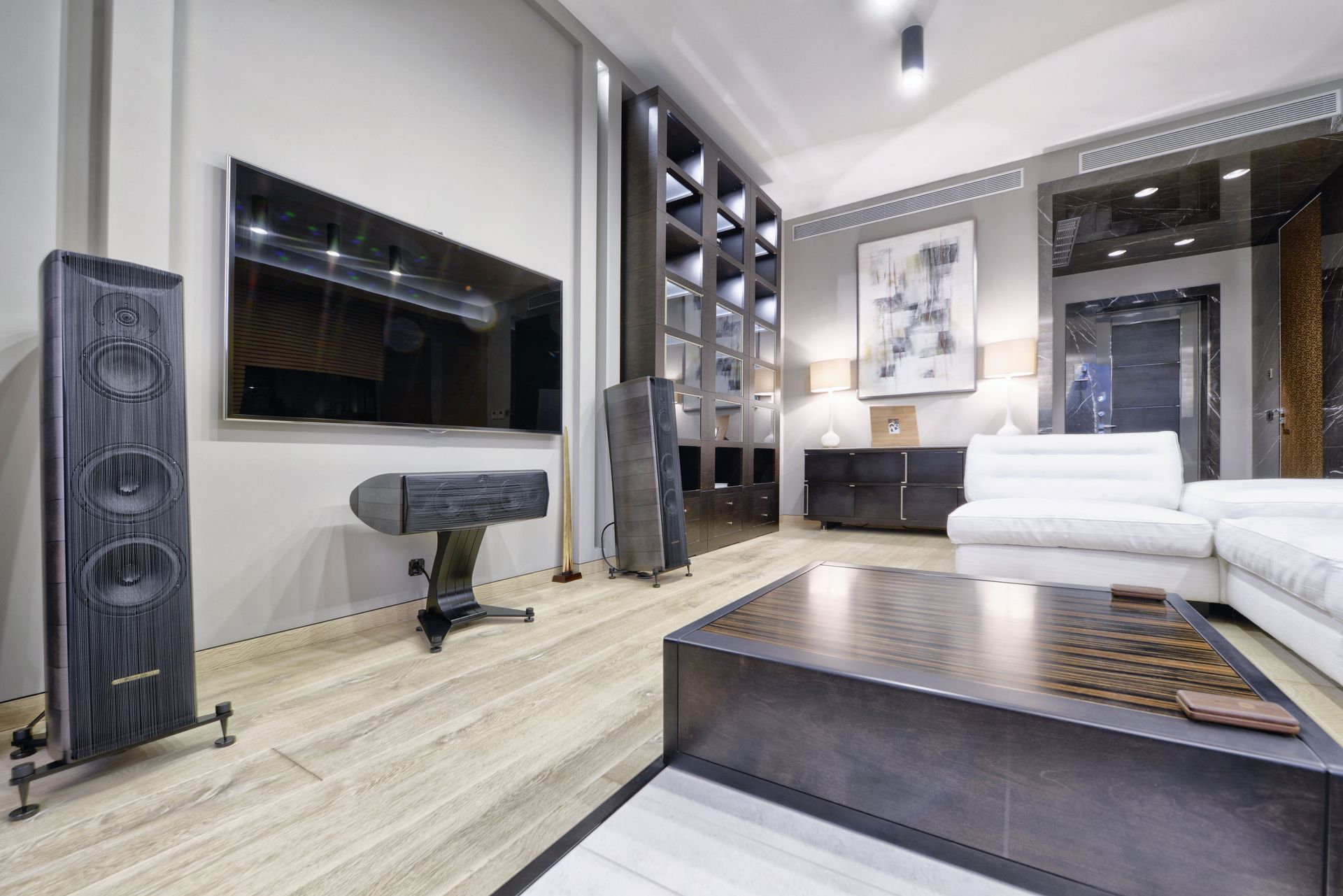
Speaker choice and placement are equally important. Wired speakers are ideal for audiophiles who want maximum fidelity, while wireless speakers offer convenience and flexibility without compromising much on quality. Soundbars provide a streamlined alternative, particularly for smaller spaces, offering robust audio in a compact package. Many modern soundbars now simulate surround sound and even include subwoofers for deep bass, making them surprisingly effective.
Acoustic calibration is another often-overlooked aspect. Modern home theater systems can automatically adjust their audio output to compensate for room size, furniture placement, and wall materials. This ensures consistent, balanced sound across the room. Even in unconventional living spaces, proper calibration can turn any area into a high-quality audio environment.
Stunning Visuals for an Immersive Experience
Visual quality is the other half of a compelling home theater system. Ultra-high-definition displays, like 4K and 8K TVs, bring incredible detail and realism to every scene. While 4K has become the industry standard, 8K offers even greater resolution for larger screens, ensuring clarity when viewers are seated closer to the display.
High Dynamic Range (HDR) dramatically improves color, contrast, and brightness, making images more lifelike. With HDR10, Dolby Vision, or HLG support, you can enjoy movies exactly as the creators intended, with bright highlights, deep shadows, and vivid colors. Choosing between OLED and QLED panels depends on room conditions and viewing habits. OLED displays excel in dark environments, delivering perfect blacks and infinite contrast, while QLED panels provide exceptional brightness and color accuracy, ideal for bright or multi-purpose rooms.
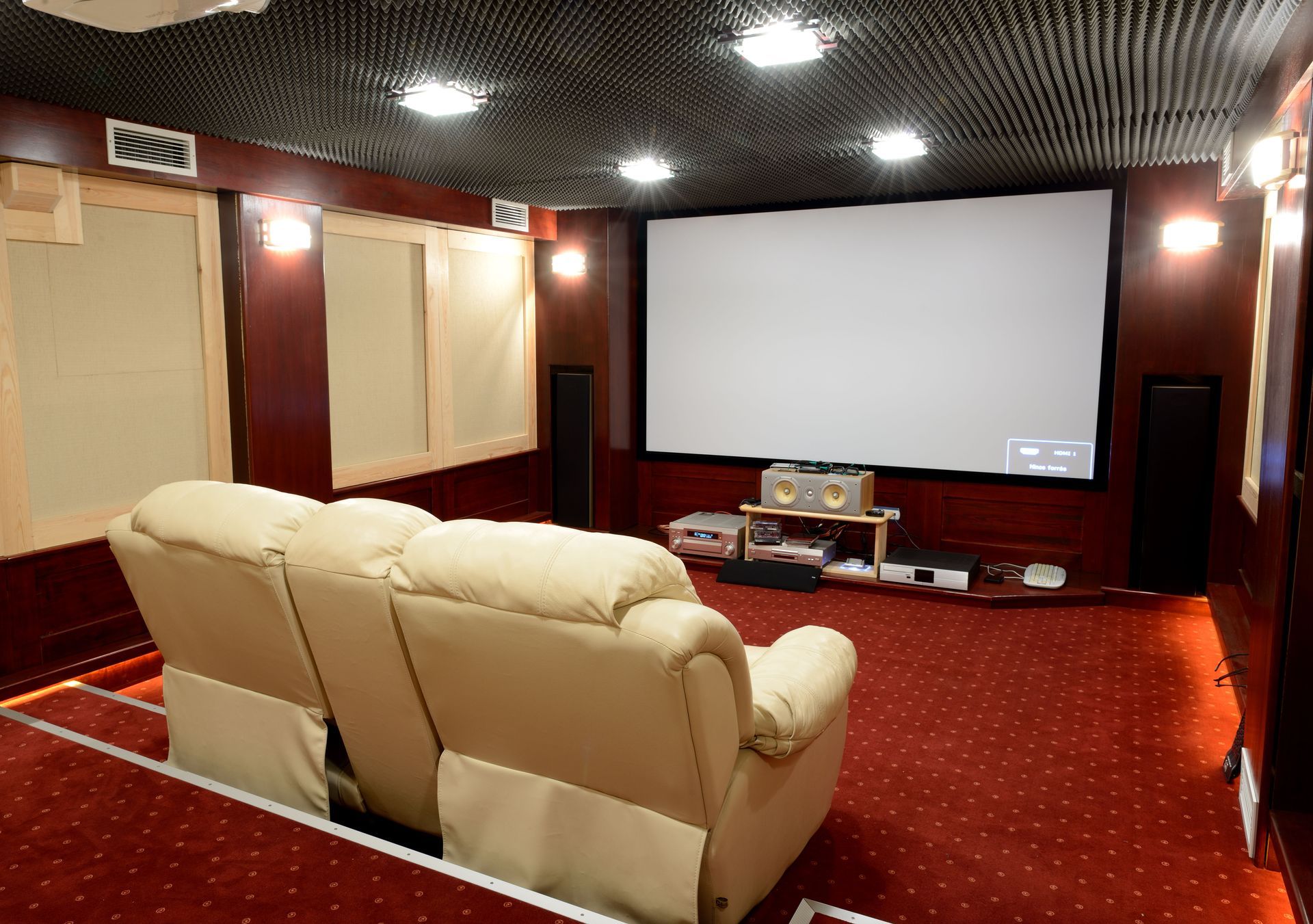
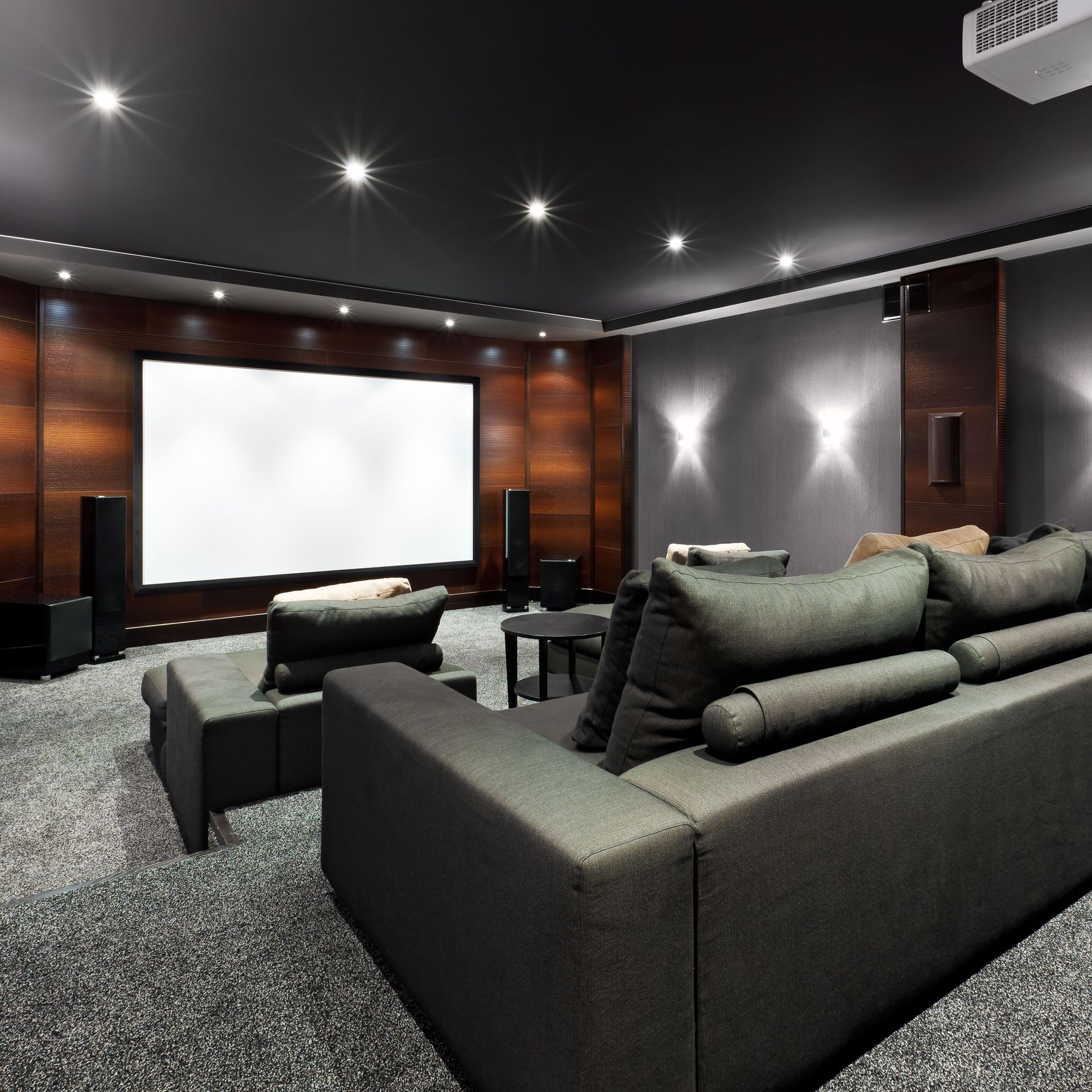
Projectors are another popular option for home theater systems, particularly in dedicated media rooms. They can project enormous images, creating a genuine cinema feel. Advances in projector technology, like short-throw and laser models, have made them brighter, more detailed, and easier to install than ever before. Proper screen size and viewing distance are crucial. A larger screen enhances immersion, but sitting too close can strain your eyes, while sitting too far diminishes the cinematic effect.
Versatile Media Sources and Streaming Options
A modern home theater system must accommodate a wide variety of media sources. Blu-ray players are still a valuable addition, providing high-definition playback and upscaling capabilities for older content. This ensures that DVDs and earlier Blu-rays look almost as good as today’s 4K media.
Streaming services have become the primary way many people consume content. Many setups integrate apps directly into the interface or allow connections via media sticks and smart hubs. This makes accessing content simple and convenient.
Multi-format media support ensures your system remains versatile. Physical media, streaming services, online gaming, and music can all coexist seamlessly, providing a complete entertainment hub. This versatility makes a home theater not just a space for movies, but a dynamic environment for all types of media enjoyment.
Smart Features for Modern Convenience
The best home theater systems are designed for convenience as much as performance. Voice control integration allows hands-free operation, letting you adjust volume, switch inputs, or start movies with simple commands. Many systems also come with app-based interfaces that let you control every aspect of your setup from your smartphone or tablet. Multi-room streaming is another valuable feature. With compatible systems, you can play music or movies throughout your home, either synchronously or independently, making entertainment more flexible.
Smart systems often integrate with other home devices, including lighting, temperature control, and smart assistants. This creates a connected ecosystem where your home theater becomes part of a larger smart home experience. Features like automatic input switching, power-saving modes, and customizable presets further enhance ease of use. With these smart capabilities, you don’t just have a home theater—you have a fully responsive entertainment environment.
Thoughtful Installation and Room Design
Even the most advanced home theater system will underperform if the room isn’t properly considered. Room acoustics, lighting, and furniture placement all affect both audio and visual quality. Dedicated home theater rooms allow complete control, but even a living room setup can achieve excellent results with careful planning.
Speaker placement is critical. Properly positioned speakers provide clear dialogue, balanced bass, and immersive surround effects. Subwoofers should be placed strategically to deliver deep low-frequency sounds without creating unwanted vibrations.
Cable management and wiring are also important. Organized cabling reduces interference and improves both aesthetics and safety. Ambient lighting, such as dimmable LED strips or blackout curtains, can enhance contrast on displays and create a cinematic atmosphere. With about 40% of U.S. households investing in dedicated theater spaces, as noted by Statista, it’s clear that thoughtful installation is no longer optional—it’s expected for an optimal home experience.
Budget Considerations and Upgrade Potential
Investing in a home theater system requires balancing performance and cost. Entry-level setups offer strong audio and visual performance at an affordable price. Soundbars, compact speaker packages, and mid-sized 4K TVs provide a satisfying experience for casual viewers. Mid-range systems often include advanced surround sound, 4K or 8K displays, HDR support, and some smart capabilities. These setups offer a balance of quality and affordability.
High-end systems deliver cinema-grade audio and video, full smart integration, modular upgrade options, and advanced acoustic calibration. Many modern systems are expandable, allowing users to upgrade speakers, receivers, or displays over time without replacing the entire system. This scalability ensures long-term value and future-proofing, allowing your home theater to evolve with technological advancements.
Future-Proof Features and Long-Term Value
A forward-thinking home theater system isn’t just about immediate enjoyment—it’s about sustainability. Firmware updates, software upgrades, and compatibility with new streaming platforms ensure your system remains relevant. Modular and scalable systems allow you to expand your setup with additional speakers, larger screens, or multi-room audio options. This approach ensures your investment continues to deliver value for years to come.
Ecosystem support is also key. Compatibility with other smart devices, consoles, and media platforms ensures your home theater integrates seamlessly into your lifestyle. By prioritizing upgradeability and adaptability, you create an entertainment space that remains engaging, flexible, and future-ready.
A modern home theater system transforms your living space into a cinematic retreat. By carefully considering audio quality, visual performance, media versatility, smart features, room design, budget, and future-proofing, you can craft a system that delivers an immersive, enjoyable experience for years to come. Whether you’re just starting out or investing in a high-end setup, the right system will make movies, games, and music feel truly alive. For personalized guidance and expert installation, contact HS Integration today to build your dream home theater system.